
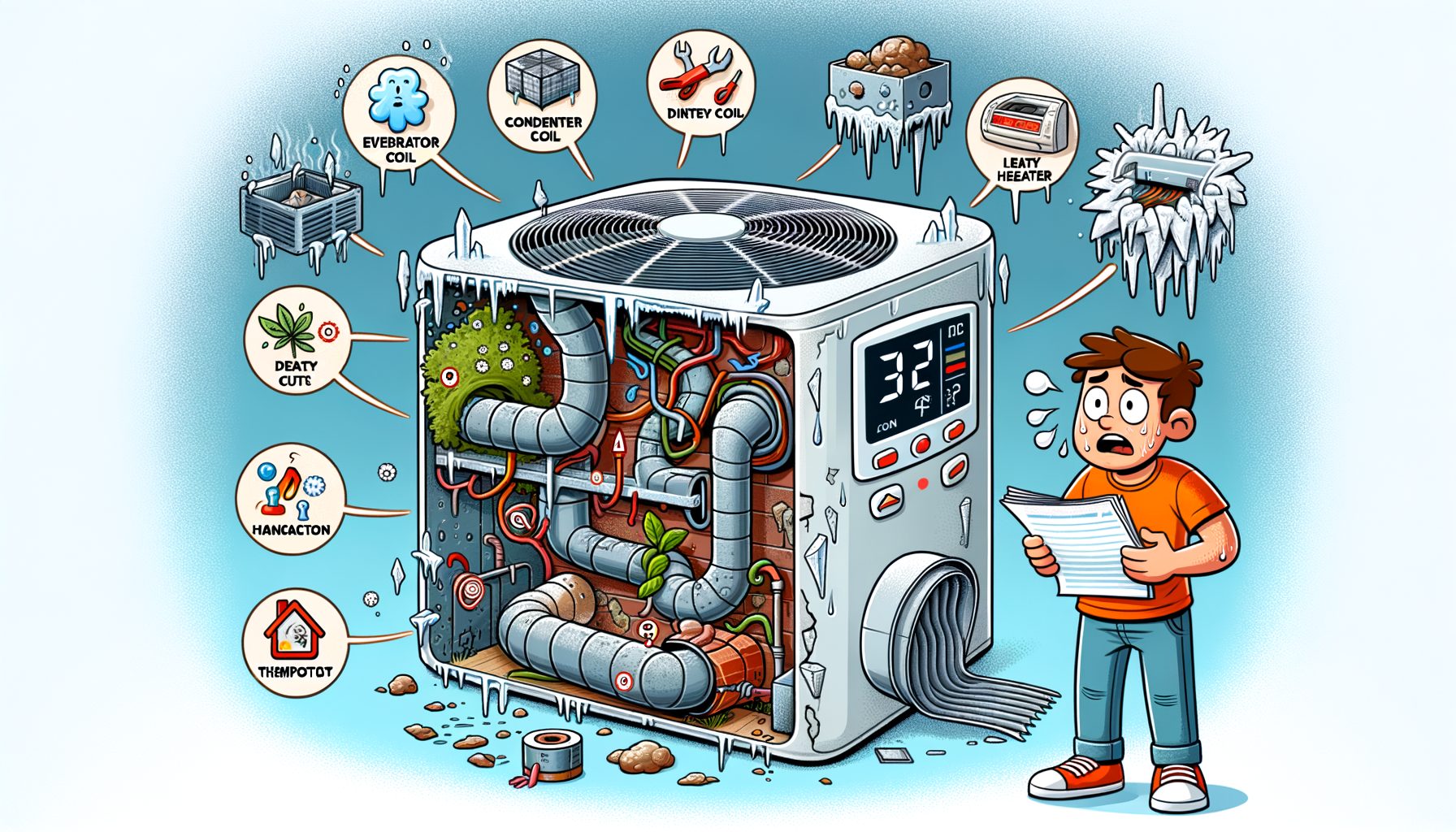
Heat spikes and an air conditioner that won’t cool can send stress—and indoor temperatures—soaring. The good news: most no-cool problems trace back to a handful of predictable causes you can check fast. In the guide below, you’ll find the top reasons cooling fails and the fixes you can try right now—before paying for a service call. House, apartment, or small office—it doesn’t matter; the steps are simple, safe, and effective.
First up: airflow issues. Then come thermostat mistakes, followed by refrigerant leaks and outdoor unit problems. Expect practical instructions, realistic timelines, and field-tested tips. If your AC isn’t cooling, keep reading—your fix could be minutes away.
Airflow First: Dirty Filters, Blocked Vents, and Frozen Coils
Air conditioners don’t “make cold”; they move heat. Restrict the airflow and heat can’t leave your home effectively, so cooling power plummets. Often, a dirty air filter is to blame. A clogged filter slashes airflow, overcools the indoor coil, and lets ice build up. Once iced, the coil can’t absorb heat, and you’re left with weak or no cooling even while the system runs.
What to do now: locate the return-air filter (usually behind a grille or inside the indoor unit) and hold it to a bright light. If light can’t pass through the media, replace it. Most homes do well with a MERV 8–11 filter; higher MERV captures more particles but may raise resistance if your system isn’t designed for it. Set a reminder to check monthly during heavy use and replace every 1–3 months as needed.
Next, take a quick walkthrough: open every supply vent and clear rugs or furniture that might block them. Close only what you must; shutting many vents raises static pressure and can create duct leaks. Make sure the return grille is unobstructed, too—no boxes or curtains in the way. If you spot ice on the indoor unit or frost on the refrigerant line, switch the thermostat to Fan (On) and set Mode to Off for 2–3 hours to thaw. Fix the airflow problem before restarting Cool.
Ducts matter. Leaky or poorly insulated runs—especially in hot attics or crawl spaces—can dump 20–30% of your cooled air before it reaches rooms. If certain rooms stay warm, inspect visible ducts for disconnected joints, crushed sections, or missing insulation. Small gaps can be sealed with foil-backed mastic tape; larger defects usually need a pro.
Use simple benchmarks to sanity-check performance:
| Typical temperature split (return to supply) | 16–22°F (about 9–12°C) after 10–15 minutes of steady cooling |
| Filter replacement (typical) | Every 1–3 months in cooling season; check monthly |
| Minimum outdoor unit clearance | At least 24 in (60 cm) on sides, 60 in (1.5 m) above |
If your temp split sits near zero or jumps around—even after a fresh filter and thaw—move on to thermostat and outdoor unit checks.
Thermostat Settings, Modes, and Simple Electrical Checks
Sometimes the fix is as basic as the wrong mode. Confirm the thermostat is set to Cool, not Heat or Off. Select Fan: Auto (not On) so the blower doesn’t run between cooling cycles—constant fan can push warmish air that feels like “no cooling.” Drop the setpoint by 3–5°F (2–3°C) below the current room temperature and wait 10 minutes. You should hear the outdoor unit and indoor blower start.
Using a smart thermostat? Look for Eco/Adaptive modes, schedules, or geofencing that might hold a higher setpoint. Temporarily use Hold or disable the schedule to test. If your thermostat uses batteries, replace them; weak batteries cause erratic behavior. Keep the thermostat out of direct sun and away from lamps or electronics that can heat it and skew readings.
If the thermostat calls for cooling but the outdoor unit stays silent, check the electrical supply. Verify breakers for the air handler/furnace and outdoor condenser are on. A tripped breaker often signals a deeper issue (like a failing capacitor), but you can reset it once: flip fully Off, then On. Also check the outdoor disconnect (the small box near the unit) is seated correctly. If the breaker trips again, stop and call a professional—repeated resets risk damage.
Listen for clues. A humming outdoor unit with a fan that won’t spin often points to a weak capacitor. Some DIYers try a “stick push” to start the fan, but that’s unsafe—capacitors can hold a dangerous charge. Inside, if the blower won’t run, the problem could be a blower motor, control board, or a safety switch. Make sure the cabinet door is latched; many systems won’t operate if the service panel isn’t seated.
Calibration matters. If rooms feel warmer than the display, compare with a standalone thermometer. A 1–2°F (0.5–1°C) difference is common; larger gaps suggest calibration drift or a bad sensor. Check your thermostat’s app or manual for calibration options, or consider replacement. Remember, normal cooling is steady rather than instant—a properly sized system may drop indoor temperature about 1–2°F (0.5–1°C) every 15–30 minutes, depending on outdoor conditions and home insulation.
Low Refrigerant and Leaks: Signs, Safety, and When to Call a Pro
Your AC’s refrigerant loop is sealed; it doesn’t “use up” refrigerant. If the level is low, a leak exists. Low refrigerant reduces evaporator pressure, overcools the coil, and invites icing. Heat absorption falls off, and the classic symptom appears: the system runs constantly but the home won’t cool. You might notice hissing, bubbling, or oily residue near line-set connections—oil travels with refrigerant and can mark leak points.
What you can safely check: look for frost on the larger insulated copper line (suction line), ice on the indoor coil, or damage to the line set. If you see ice, turn the system Off and run Fan (On) for a few hours to thaw. Don’t chip ice; that risks coil damage. After thawing, restore Cool and observe. If ice returns quickly or cooling stays weak, stop and call a licensed HVAC technician.
Why a pro is necessary: in many countries, including the U.S., only certified technicians can handle refrigerants due to safety and environmental regulations. A technician will confirm a leak with electronic detectors, bubble solution, or nitrogen pressure tests, then repair and recharge to manufacturer specifications using superheat/subcooling targets. Simply “topping off” without fixing the leak is a short-term patch and can harm the compressor over time.
System age matters. Older units may use R‑22, which has been phased out in many regions. Repairs on R‑22 systems can be costly due to limited supply; if your unit is aging and leaking, replacement with a modern refrigerant (like R‑410A or newer low‑GWP options being adopted in some markets) may be more cost‑effective long term. Ask for a leak report and options—repair, component replacement, or a system upgrade.
Pro tip: if you suspect a leak, reduce load while waiting for service. Close blinds during peak sun, run ceiling fans counterclockwise to boost perceived cooling, and avoid cooking or other heat‑producing activities in the hottest hours. That approach eases stress on the system and helps protect the compressor. Never try to handle or buy refrigerant yourself; it’s unsafe, often illegal without certification, and improper charging can permanently damage the unit.
Outdoor Unit Problems: Dirty Condenser Coils, Fan Issues, and Clearance
The outdoor unit (condenser) must reject the heat your indoor coil captures. If it can’t dump that heat—because coils are dirty, the fan isn’t running, or plants block airflow—indoor cooling suffers. Start with a visual inspection. With power off at the disconnect, remove surface debris: leaves, seed fluff, grass clippings. Look through the coil fins; if dirt mats the fins, rinse them. Gently hose from the inside out to push dirt back the way it entered. Avoid pressure washers; fins can bend.
Check clearances. The condenser needs breathing room: at least 24 inches (60 cm) on all sides and generous space above. Trim shrubs and move stored items. Keep the top grille clear so hot air can rise without recirculating. If fins are bent, a fin comb can carefully straighten them to restore airflow.
Restore power and watch the fan. It should start promptly and blow hot air out the top or side. A slow or intermittent fan, or one that won’t run while the compressor hums, often points to a failing capacitor or motor—leave that to a professional. Rapid clicking from the contactor (a relay) can indicate low voltage or a failing part.
Climate and conditions affect performance. In extreme heat waves, even a healthy system struggles; the condenser’s ability to reject heat is limited by outdoor temperature. Light shading can help efficiency, but don’t block airflow. Keep lawn sprinklers away to prevent mineral deposits on coils. Once per year—ideally before summer—schedule professional maintenance for deep coil cleaning, electrical checks, and a refrigerant evaluation.
If indoor airflow is solid, the thermostat is set correctly, and the condenser fan and coil are clean but cooling remains weak, a deeper fault may be present: a failing compressor, a restriction like a clogged filter drier, or a control issue. Those require gauges, meters, and training. Document what you’ve observed (temperatures, noises, ice, app errors) to help your technician pinpoint the problem faster—and reduce billable time.
Q&A: Fast Answers to Common “No-Cool” Questions
Q: Why is my AC running but not lowering the temperature?
A: Most often, airflow or heat rejection is blocked—dirty filter, iced indoor coil, clogged condenser, or closed/blocked vents. Incorrect thermostat mode or a refrigerant leak are next on the list. Work through the simple checks before calling for service.
Q: How long should it take to cool my home by 1–2°F (0.5–1°C)?
A: In typical conditions, expect a 1–2°F drop every 15–30 minutes. Poor insulation, leaky ducts, big windows, or heat waves can slow this. If there’s no change after 30 minutes with proper settings, start the troubleshooting steps above.
Q: Is it safe to run the AC if it isn’t cooling?
A: If you see ice or hear odd noises, turn cooling Off and run Fan to thaw. Running while iced can damage the compressor. If airflow and coils are clear but cooling is weak, you can run it while you schedule service—monitor for icing or breaker trips.
Q: Can I recharge refrigerant myself?
A: No. Handling refrigerant usually requires certification and specialized tools. DIY charging risks injury, environmental harm, and serious system damage. If you suspect a leak, call a licensed HVAC technician.
Q: What’s a normal temperature difference between return and supply air?
A: Typically 16–22°F (about 9–12°C) after the system has run for at least 10 minutes. Outside that range, suspect airflow issues, refrigerant problems, or sensor errors.
Conclusion: From Hot and Frustrated to Cool and Confident
You came here because your air conditioner isn’t cooling—and now you have a clear path from symptoms to solutions. Start with airflow: replace the filter, open vents, and thaw any ice. Confirm the thermostat is on Cool with Fan set to Auto, and make sure schedules or Eco modes aren’t undermining comfort. Inspect the outdoor unit: clear space, clean coils, and verify the fan runs smoothly. If cooling remains weak, signs like frost, hissing, or oily residue point to a refrigerant issue that calls for a licensed technician. Along the way, note your temperature split and any unusual noises; these details speed professional diagnosis and keep costs down.
Take action now. Swap in a fresh filter, do a quick walk-through, and rinse the condenser if it’s dirty. Set a monthly reminder to check filters and trim plants around the outdoor unit. If you suspect a leak or electrical fault, schedule a service visit with a certified HVAC pro and share your observations. You’ll protect your compressor, lower energy bills, and reclaim cool comfort faster.
Cooling should be simple, reliable, and safe. With a few smart habits and timely maintenance, most no-cool surprises become rare—and short-lived when they happen. Today’s small steps can prevent tomorrow’s expensive repair. Ready to feel that first wave of cool air again? Start with the easy checks above, and if you need help, call a pro with confidence. Comfort isn’t a luxury; it’s a system—and you’re now in control of it. What’s the first fix you’ll try right after you close this page?
Helpful resources and further reading:
U.S. Department of Energy: Central Air Conditioning Basics
ENERGY STAR: HVAC Maintenance Tips
U.S. EPA: Technician Certification for Refrigerants (Section 608)
CDC: Extreme Heat Safety (reduce indoor heat load)
DOE: Duct Sealing and Insulation
Sources:
U.S. Department of Energy, Energy Saver – Central Air Conditioning and Duct Sealing Guides
ENERGY STAR – Heating and Cooling Maintenance Recommendations
U.S. Environmental Protection Agency – Section 608 Refrigerant Handling
Industry practice and field benchmarks for temperature split and condenser clearances (typical residential HVAC standards)