
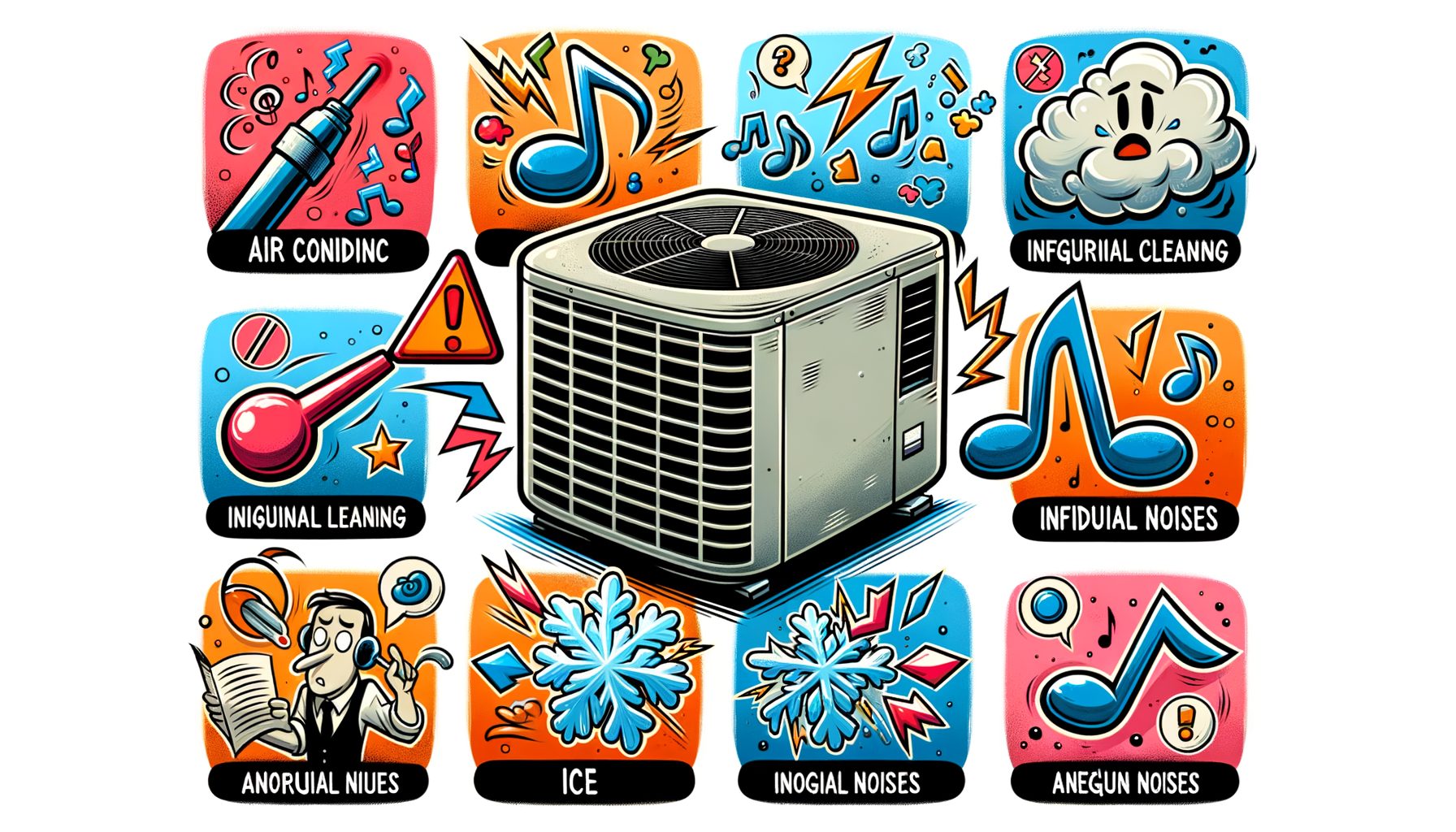
When an AC starts acting up, a small annoyance can snowball into a costly breakdown—often on the hottest day of the year. The bigger issue? Early warning signs are easy to miss, and missed signs mean higher energy bills, poor air quality, and even safety risks. In the pages that follow, you’ll see the clues your system gives you and exactly what to do next. Noticed new noises, weak airflow, odd smells, leaks, or rapid on-off cycling? Keep reading. Catch problems early to save money, safeguard your health, and extend your unit’s life.
Strange Noises and Vibrations: The Soundtrack of Trouble
Air conditioners aren’t silent, but they should be consistent. When a unit suddenly starts grinding, screeching, rattling, buzzing, or thumping, trouble is brewing—and fast. Grinding or metal-on-metal noises often mean a failing blower motor or worn bearings. Screeching may point to a belt issue or a motor under heavy strain. A harsh rattle or clank suggests a loose panel, fan blades hitting something, or even a compressor problem. Buzzing or humming can be electrical—think failing capacitor—or a sign that the outdoor fan is struggling. Any new or worsening vibration deserves attention; if left unchecked, components can loosen further or the compressor—the heart of the system—may be damaged.
Why it matters: mechanical failures do not fix themselves. As parts wear, friction rises, heat builds, and a chain reaction can take out other components. A few weeks of ignoring noises can turn a quick, inexpensive repair into a costly compressor replacement. Feeling vibrations in the walls or floor, or seeing the outdoor unit rock while running, is a shutdown-and-schedule-service situation. Vibrations aren’t just annoying—they’re destructive.
Do this now: make sure the outdoor unit sits level and is free of sticks and debris. Confirm that all access panels are secured tightly. If it’s been 30–90 days, swap the air filter (timing depends on filter type and home conditions). Motors shouldn’t be opened or lubricated unless you’re trained—modern units are often sealed and need the correct materials. If the noise continues, call a licensed HVAC technician. Describe the sound and when it occurs (startup, steady cooling, or shutdown). Audio recordings help pros diagnose faster. It’s also smart to note any recent storms or power surges that could have hurt capacitors. Early action almost always costs less than waiting.
Weak Airflow or Warm Air: Comfort and Efficiency Red Flags
Vents barely pushing air—or air that feels warm even with a low thermostat setting—signal an airflow or heat-transfer problem. A dirty filter commonly restricts circulation; in fact, replacing a clogged filter can cut your air conditioner’s energy use by 5–15% (U.S. DOE). Yet filters aren’t the only culprit. Blocked supply or return vents, a failing blower motor, a stuck damper in the ductwork, collapsed or leaky ducts, or iced evaporator coils can all choke airflow. When air is strong but warm, think refrigerant loss, a failed compressor, dirty outdoor coils, or a thermostat that isn’t calling for proper cooling.
Humidity can make matters worse. With weak airflow or dirty coils, moisture removal suffers, leaving rooms sticky even if the temperature looks “okay.” Indoor moisture above 60% raises the risk of mold and dust mites—tough on anyone with allergies or asthma. The U.S. Environmental Protection Agency recommends keeping indoor humidity between 30% and 50% (EPA).
Right-now steps: verify that all vents are open and not blocked by furniture or rugs. Replace or clean the filter (monthly checks are smart in summer). Look at the outdoor unit; if the fins wear a blanket of dirt, fuzz, or leaves, gently rinse from inside out with a garden hose—skip power washers, which can bend fins. If the evaporator coil is icing (frost on the indoor unit or refrigerant lines), turn the system off and run only the fan for an hour to defrost, then schedule service. Icing usually means airflow problems or low refrigerant, and operating while frozen can damage the compressor. When warm air persists despite basic checks, a sealed-system issue is likely and requires a certified pro.
Short Cycling, Sky-High Bills, and Thermostat Confusion
Short cycling—your AC turning on and off every few minutes without a full cooling cycle—wastes energy, accelerates compressor wear, and leaves rooms unevenly cooled. Causes range from a dirty filter or miscalibrated thermostat to low refrigerant, oversized equipment, or overheating components tripping internal protection. A sudden jump in the energy bill with no change in usage often appears alongside short cycling, and that’s another early warning.
Thermostat trouble can be sneaky. A device placed in direct sunlight, near kitchen appliances, or too close to a supply vent may misread room temperature and trigger erratic operation. Loose thermostat wiring or low batteries can also cause random shutdowns. If the display shows wild temperature swings or the system ignores setting changes, the thermostat could be at fault—but system issues should be ruled out before replacement. Smart thermostats help with control and scheduling; they won’t fix airflow or refrigerant problems underneath.
Try this immediately: check the filter and replace it if dirty. Review thermostat location and settings (use “Auto” for the fan and try a 2–3°F change to test response). Replace thermostat batteries if it has them. Inspect the outdoor unit and clear anything within 2 feet that blocks airflow (weeds, fencing, stacked items). If short cycling continues, shut the system off and call a pro—short cycling can overheat the compressor or flood it with liquid refrigerant, both expensive outcomes. Keep notes: when does the short cycling happen (hot afternoons, nighttime, or randomly)? Did it start after a storm or DIY work? Details speed diagnosis and can save money on service calls.
Water Leaks, Ice, Musty Smells, and Humidity: Moisture Warnings You Shouldn’t Ignore
Water around the indoor unit or a musty, damp smell aren’t just housekeeping issues—they’re urgent maintenance flags. Your AC removes moisture and drains it through a condensate line. When that line clogs with algae, dust, or rust flakes, water backs up and can overflow into your home, damaging drywall, floors, and ceilings. A cracked drain pan or poorly sloped drain can do the same. Ice on refrigerant lines or the evaporator coil points to low airflow or low refrigerant; both cut cooling and can permanently damage the compressor if ignored.
Odors tell a story, too. A musty smell can indicate standing water in the drain pan or microbial growth on the coil or in ducts. A sweet, chemical-like odor may signal a refrigerant leak. A burning or electrical smell is an immediate safety concern—turn the unit off and get professional help. High indoor humidity—sticky skin, lingering odors, foggy windows—means dehumidification isn’t happening properly, often due to short cycling, dirty coils, incorrect fan settings, or an undersized/oversized unit. Long-term humidity that stays high is bad for health and for your home’s structure.
Immediate moves: check the condensate line exit (usually near the outdoor unit) for steady dripping while the AC runs; if it’s dry or barely dripping on a humid day, a clog is likely. Clear algae by pouring a cup of white vinegar into the indoor drain access if available, and consider adding an inexpensive float safety switch that cuts power before an overflow. If you see ice, shut the system off and run only the fan to thaw, then schedule a check. Musty odors that persist after cleaning filters and drains call for a professional coil cleaning. For ongoing humidity issues, ask a pro about system sizing, run-time adjustments, or adding a whole-home dehumidifier.
| Warning Sign | Likely Cause | Why It’s Urgent | Immediate Action |
|---|---|---|---|
| Grinding/screeching noise | Motor bearings, belt, fan issues | Can cascade to compressor damage | Power down and schedule service |
| Weak airflow | Dirty filter, iced coil, blower or duct issue | Poor cooling, higher bills, coil icing | Replace filter, defrost coil, call if persistent |
| Short cycling | Thermostat error, low refrigerant, overheating | Heavy wear, high costs, poor comfort | Check thermostat/filter; if unresolved, call |
| Water around indoor unit | Clogged drain, cracked pan | Home damage, mold risk | Shut off, clear drain, add float switch |
Electrical Smells, Tripped Breakers, and Safety Risks
Few AC symptoms are as urgent as a burning smell, visible smoke, or repeated breaker trips. These often point to electrical issues such as failing capacitors, frayed wiring, loose connections, or a motor drawing too much current. A single trip after a lightning storm may be a fluke; repeated trips are a red flag. Don’t just reset and hope—breakers trip to prevent fires. Likewise, a sharp or acrid odor may indicate overheated insulation, melting plastic, or motor windings burning out. Electrical problems can also show up as dimming lights when the AC starts, buzzing from the outdoor unit panel, or scorch marks on the disconnect box.
Act now: switch the system off at the thermostat and the breaker. Look at the outdoor disconnect for signs of heat or corrosion—but don’t open sealed electrical compartments. If your AC shares a circuit with other high-draw devices, a licensed electrician should evaluate the panel and dedicated circuit. Never bypass a breaker, upsize it, or swap fuses yourself to stop trips. That creates a serious fire hazard. If you smell burning, leave the system off until a qualified technician inspects it. Renters should report these symptoms immediately to building management.
Prevention helps: keep shrubs and debris clear of the outdoor unit for ventilation, replace filters regularly to reduce motor strain, and schedule annual professional maintenance. Routine tune-ups can catch failing capacitors or contactors before they turn dangerous. For more on electrical safety, see guidance from the National Fire Protection Association (NFPA). If your system is 12–15 years old and suffers repeated electrical faults, discuss replacement options. Newer high-efficiency models paired with smart thermostats can boost comfort and cut energy use when installed and maintained properly (ENERGY STAR).
Q&A: Quick Answers to Common AC Repair Questions
Is it safe to keep running my AC if it’s making a new noise? No. Unusual sounds often indicate mechanical wear or electrical issues that worsen with use. Shut it down, check for obvious debris or loose panels, and schedule service. Running it can turn a minor fix into a major repair.
How often should I service my air conditioner? At least once a year, ideally before the cooling season. Replace or clean filters every 30–90 days, more often with pets, allergies, or construction dust. Regular maintenance preserves efficiency and reduces surprise breakdowns.
When should I repair versus replace? Consider replacement if your unit is over 12–15 years old, needs a major part like a compressor, or has frequent issues. When repair costs exceed 30–50% of a new, efficient unit, replacement often makes financial sense—especially when energy savings and warranties are included.
Can I add refrigerant myself? No. Refrigerants require certification, specialized tools, and leak detection. DIY top-offs can be unsafe, illegal in some regions, and may harm the system. If you suspect a leak, call a certified HVAC technician.
Conclusion: Act Early, Stay Cool, and Save Money
You’ve learned how to spot the top warning signs that your air conditioner requires urgent repair: strange noises, weak airflow or warm air, short cycling with rising bills, moisture and odor issues, and electrical smells or tripped breakers. Each sign has clear causes and practical first steps—replace filters, clear drains, gently clean outdoor coils, and shut the system down when safety is a concern. You also saw where DIY stops and professional help becomes essential, especially with refrigerant, electrical, and persistent performance problems.
Here’s your action plan: walk your home and check vents, listen during startup, glance at the outdoor unit, and swap the filter if it’s even slightly dirty. Note any humidity, odors, or water near the indoor unit. If something seems off, don’t wait—schedule a licensed HVAC inspection now. A timely visit is cheaper than a mid-summer emergency and protects your health, comfort, and wallet. For reliable guidance, explore resources from the U.S. Department of Energy (DOE Energy Saver) and the EPA on indoor humidity (EPA).
If your system is older or causing repeated headaches, request a performance assessment and discuss replacement options. Modern, right-sized systems with smart controls deliver steadier comfort, better dehumidification, and lower energy bills—especially with proper maintenance. Take the first step today: schedule a checkup, fix small issues, and set a filter-change reminder. Your future self (and summer power bill) will thank you. Ready to avoid emergency heatwave breakdowns? Start with one simple move—inspect your filter and book a professional tune-up. Which sign will you tackle first?
Sources
– U.S. Department of Energy – Room Air Conditioners: https://www.energy.gov/energysaver/room-air-conditioners
– U.S. Environmental Protection Agency – Mold and Moisture Basics: https://www.epa.gov/mold
– ENERGY STAR – HVAC Maintenance Tips: https://www.energystar.gov/saveathome/heating_cooling/maintenance
– National Fire Protection Association – Electrical Safety: https://www.nfpa.org/Public-Education/Fire-causes-and-risks/Electrical